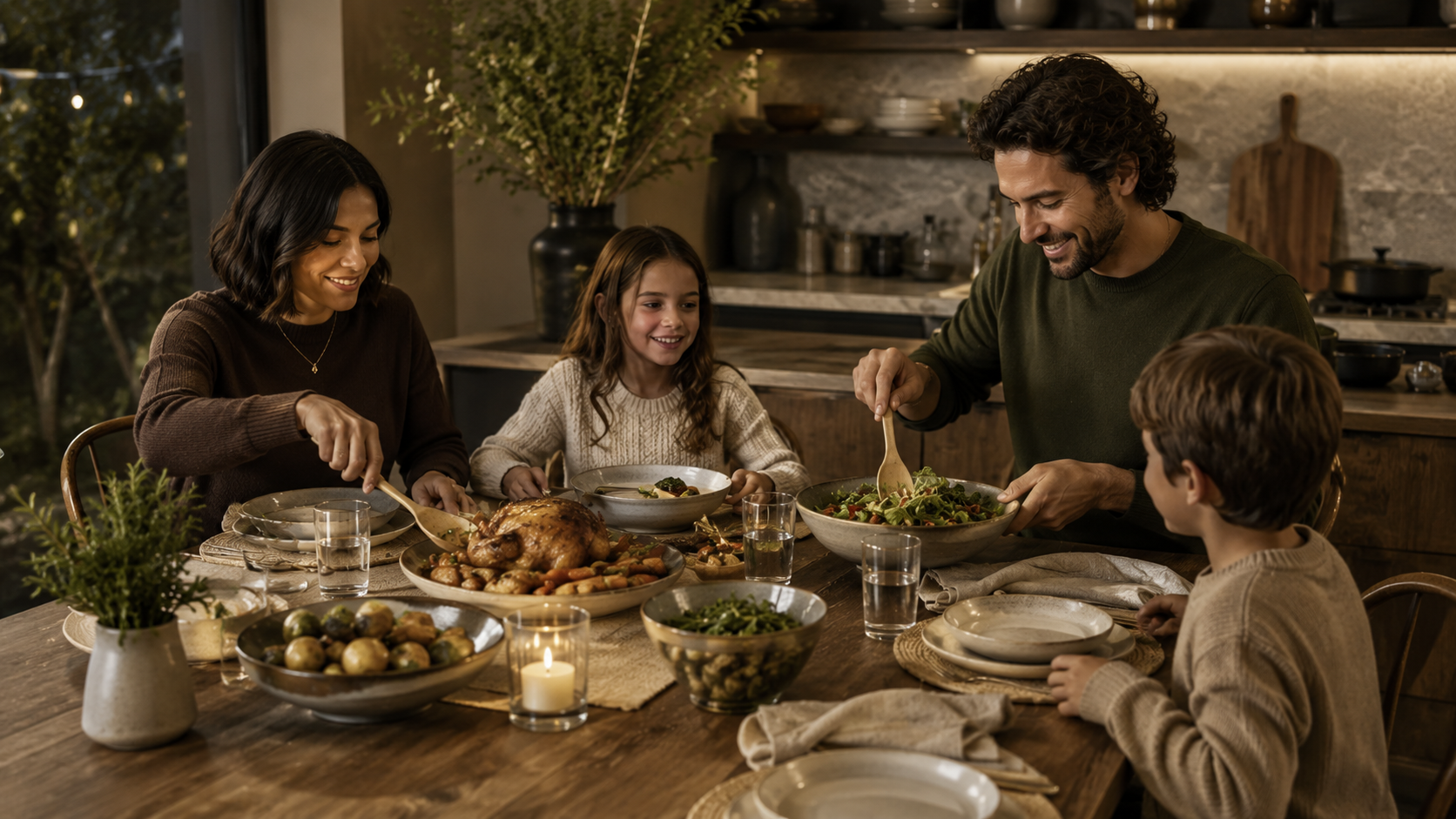
Family Dinner Organization Tips helps busy households create calmer evenings through better meal organization and thoughtful dinner preparation. Many families struggle to balance work schedules, grocery shopping, cooking responsibilities, and meaningful family time during busy weeks. A structured dinner planning system removes unnecessary stress while supporting healthier routines and more enjoyable meals at home. Organized calendars also simplify grocery budgeting because families purchase ingredients with greater purpose and consistency. Cozy dinner traditions strengthen relationships while encouraging more intentional conversations around the table. Families appreciate practical systems that reduce last-minute decisions and prevent unnecessary food waste throughout the month. Thoughtful planning creates opportunities for balanced nutrition without overwhelming daily schedules. Consistent routines also make evenings feel more predictable and relaxing for both parents and children. The result becomes a warmer household atmosphere built around comfort, connection, and enjoyable meals.
Evening routines often become stressful when families make dinner decisions at the last possible moment. Unplanned meals increase grocery costs, create unnecessary frustration, and lead to inconsistent eating habits during busy weeks. A structured meal calendar provides clear direction while simplifying cooking responsibilities throughout the month. Families benefit from knowing ingredients, recipes, and preparation schedules ahead of time. The Crafting Your Cozy Dinner Calendar – Ebook Guide on How to Plan a Cozy Dinner Calendar for a Month explains how to organize meals in ways that support flexibility without sacrificing structure. Parents discover methods for balancing comfort foods with healthier dinner choices successfully. Organized dinner systems also reduce repetitive cooking patterns by encouraging greater variety throughout the month. Planned schedules improve grocery efficiency because shopping trips become more intentional and focused. Families spend less time worrying about dinner and more time enjoying meaningful moments together around the table.
Effective meal preparation requires more than selecting recipes randomly throughout the week. Families benefit most when dinner plans align with schedules, energy levels, ingredient availability, and household preferences consistently. Organized planning systems reduce unnecessary stress because preparation tasks become easier to manage in advance. Batch cooking strategies and ingredient coordination simplify busy evenings significantly. Readers learn how to organize shopping lists and preparation schedules for greater kitchen efficiency. The monthly dinner calendar guide demonstrates how small planning adjustments dramatically improve consistency throughout the month. Families also discover methods for balancing quick meals with more elaborate comfort dinners naturally. Structured preparation routines encourage healthier eating while reducing expensive takeout habits. Consistent planning strengthens kitchen confidence and supports more enjoyable family dining experiences every week.
Cozy dinners create emotional comfort because shared meals encourage conversation, relaxation, and stronger family connection after demanding days. Families often underestimate the emotional value of consistent dinner traditions within busy modern lifestyles. Thoughtful meal planning supports these routines by reducing chaos during evening preparation. Warm lighting, comforting recipes, organized schedules, and balanced meal variety contribute to more inviting dining experiences. A structured dinner system allows families to focus more on togetherness and less on logistical stress. The family dinner organization resource introduces practical methods for building routines that remain flexible and enjoyable. Families learn how to coordinate meals around seasonal ingredients, weekly schedules, and personal preferences effectively. Organized dinner habits also improve communication because everyone understands expectations and responsibilities more clearly. Comfortable mealtime traditions strengthen emotional well-being while creating lasting memories.
Grocery shopping becomes more efficient when families organize meals before entering the store. Structured meal calendars reduce impulse purchases while supporting smarter budgeting and healthier ingredient selection. Families avoid unnecessary waste because every ingredient serves a planned purpose within the monthly schedule. Organized shopping lists also save valuable time during busy workweeks and school routines. Readers discover methods for coordinating pantry items, fresh produce, proteins, and frozen ingredients more effectively. The cozy meal prep and scheduling guide explains how preparation systems simplify both cooking and shopping responsibilities. Bulk ingredient planning also creates opportunities for cost savings without reducing meal quality or variety. Families appreciate systems that simplify budgeting while maintaining enjoyable dining experiences. Efficient grocery planning ultimately reduces stress while improving kitchen organization throughout the home.
Many people feel overwhelmed by meal planning because they assume organized dinner systems require excessive structure or complicated preparation. Educational planning resources simplify the process by introducing practical strategies gradually and realistically. Families gain confidence when they recognize how small organizational improvements create meaningful results over time. Readers learn how to adapt meal calendars around work schedules, children’s activities, and changing seasonal routines effectively. The cozy dinner planning eBook encourages flexibility while maintaining enough structure to support consistency. Organized planning also reduces decision fatigue because dinner choices become easier and more predictable. Families appreciate routines that improve comfort without removing spontaneity from home cooking entirely. Better planning habits strengthen kitchen confidence while encouraging healthier long-term routines. Thoughtful preparation creates calmer evenings and more satisfying dining experiences for everyone involved.
Successful meal planning combines structure, flexibility, and comfort in ways that support realistic family routines over time. Families benefit most from systems that simplify preparation while preserving enjoyment around the dinner table consistently. Organized schedules improve efficiency because shopping, cooking, and cleanup responsibilities become easier to coordinate. Thoughtful dinner calendars also encourage healthier eating patterns without creating unnecessary pressure or complexity. The Crafting Your Cozy Dinner Calendar – Ebook Guide on How to Plan a Cozy Dinner Calendar for a Month provides practical guidance for building sustainable meal planning habits that fit busy lifestyles naturally. Readers learn how to organize monthly schedules, prepare ingredients efficiently, and maintain variety throughout family dinners successfully. Consistent planning systems strengthen household organization while supporting stronger family relationships during shared meals. Cozy dinner traditions ultimately create more comfortable evenings, healthier routines, and lasting memories centered around meaningful time together.




Leave a comment